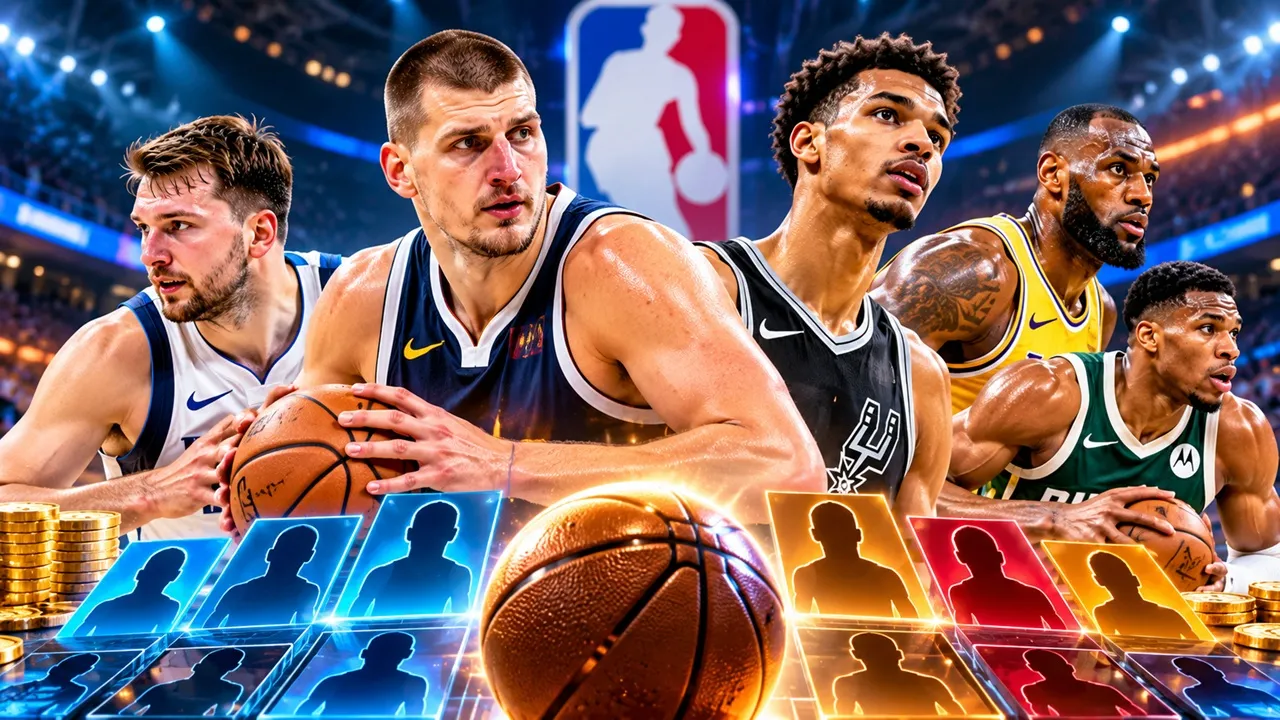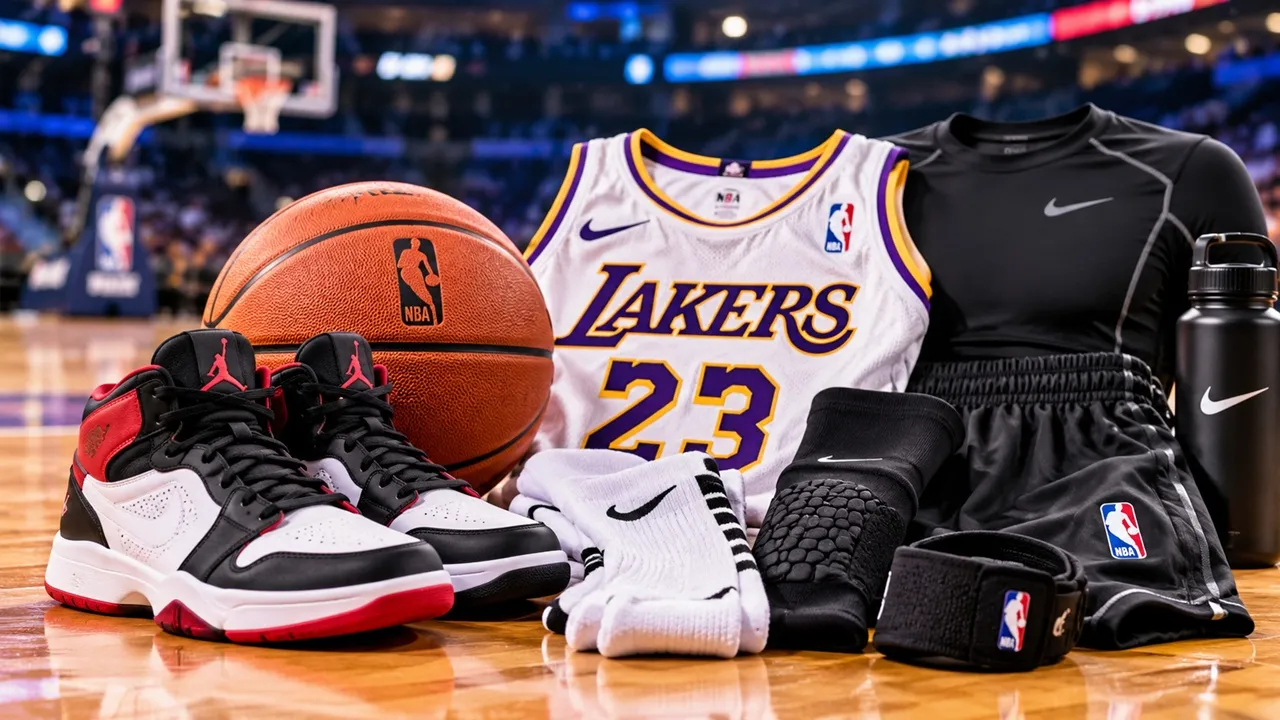
Watching an NBA player step onto the court, it is easy to focus on the sneakers, team jersey and signature accessories. But a basketball player’s equipment goes beyond what fans see during a game. Shoes, performance clothing, protective supports and training gear can all add to the cost of playing basketball.
For fans who want to build their own basketball setup, the big question is simple: How much does it really cost to gear up like an NBA player?
The answer depends on the products you choose. A basic basketball setup can cost a few hundred dollars, while premium shoes, authentic jerseys and extra training equipment can push the total much higher.
Here is a practical breakdown of the main items, what they do and how much a player or basketball enthusiast might spend.
How Much Does NBA-Style Basketball Equipment Cost?
You do not need to spend thousands of dollars to get started. The following estimates provide a useful starting point for shoppers in the United States.
| Equipment | Estimated Price (USD) |
|---|---|
| Basketball shoes | $80–$200 |
| Performance jersey or basketball clothing | $25–$80 |
| Basketball shorts | $25–$60 |
| Performance socks | $10–$25 |
| Compression wear | $25–$70 |
| Knee or ankle support | $15–$60 |
| Basketball | $30–$85 |
| Training accessories | $20–$100 |
| Estimated total | $230–$680 |
These are illustrative shopping ranges, not official NBA team equipment costs. Prices vary by brand, model, size, retailer and sales. The total assumes one item from each category and excludes taxes, shipping and optional premium purchases.
1. Basketball Shoes: The Most Important Purchase
For most players, basketball shoes deserve the biggest share of the equipment budget. Quick stops, changes of direction, jumping and landing place different demands on footwear than everyday walking does.
A good pair should offer a secure fit, suitable traction for the court surface, comfortable cushioning and enough stability for the player’s movements.
What should you expect to pay?
Budget-friendly basketball shoes can be found below $100, while premium signature models can cost $150 or more. Limited editions and resale pairs may cost substantially more.
For example, Nike’s US basketball equipment catalogue lists a range of court products at different prices. Shoppers should compare the actual shoe model rather than assuming that the most expensive pair is automatically the best choice.
What matters most: Fit, traction, comfort and the surface on which you play. A shoe that works well on an indoor hardwood court may not be the best option for rough outdoor concrete.
2. NBA Jerseys: Replica, Swingman or Authentic?
A jersey is one of the most recognisable parts of basketball culture, but not all jerseys are made for the same purpose.
Fans generally have three options:
- Replica or fan jersey: A more affordable option for everyday wear and supporting a favourite team.
- Swingman jersey: A premium fan jersey designed to resemble a team’s on-court uniform.
- Authentic jersey: A higher-priced version that more closely follows the construction and details of professional game uniforms.
The NBA Store’s US listings show Nike Swingman jerseys around $124.99, while some authentic jerseys are listed around $209.99. Prices can vary by player, team, edition and availability.
That difference matters if you are building a basketball wardrobe on a budget. A fan who mainly wants to wear a favourite player’s number may be perfectly happy with a less expensive jersey.
Official NBA merchandise is available through the NBA Store.
3. Basketball Shorts and Performance Clothing
Basketball clothing needs to allow players to run, jump and move freely. Lightweight shorts, breathable shirts and moisture-managing fabrics can make a difference during long practices.
A reasonable shopping budget for basketball shorts is around $25–$60, with premium branded options sometimes costing more. Training shirts and additional practice clothing can increase the total.
Players who train several times a week may want more than one set of clothing. That means the long-term cost can be higher than the price of a single outfit.
There is no need to buy a full collection immediately. Starting with two or three comfortable practice outfits is a sensible approach for most recreational players.
4. Compression Wear and Protective Gear
Compression shorts, sleeves, knee supports and ankle braces are common products in the wider basketball market. Some players prefer them for comfort, while others use specific supports when recommended for their individual needs.
Typical shopping budgets include:
| Item | Estimated Price |
|---|---|
| Compression shorts | $25–$50 |
| Arm sleeve | $15–$30 |
| Knee sleeve or support | $15–$40 |
| Ankle brace | $25–$60 |
These are approximate retail ranges. They do not represent a standard NBA equipment package.
It is also important to understand what these products can and cannot do. Compression clothing is not a substitute for medical treatment, and a brace should fit correctly and suit the intended purpose.
The NBA has rules governing player equipment, including restrictions on dangerous equipment and requirements for certain protective items. The league’s official guidance is available in its equipment and officiating rules.
5. Basketballs and Training Equipment
A player who wants to practise at home or on a local court may also need a basketball and a few training accessories.
The cost depends on whether the ball is designed for indoor use, outdoor use or both. Nike’s US catalogue, for example, lists basketballs at $35 and $85, demonstrating how much prices can differ between products.
Other optional training items include:
- Cones for dribbling drills
- Resistance bands for workouts
- A ball bag or sports backpack
- A jump rope for conditioning
- Shooting and ball-handling practice aids
You do not need every accessory to improve your game. A suitable basketball, a pair of shoes and a regular practice routine can provide a strong foundation.
Three Equipment Budgets: Basic, Mid-Range and Premium
How much should you actually set aside? These three example budgets show how spending choices can change the final bill.
| Budget level | Estimated total | What it includes |
|---|---|---|
| Basic | $230–$300 | Affordable shoes, basic clothing, socks, a basketball and a few essentials |
| Mid-range | $350–$500 | Better footwear options, additional clothing, compression wear and training accessories |
| Premium | $600–$900+ | Premium shoes, a higher-priced jersey, extra gear and more training equipment |
These are illustrative budgets rather than fixed market prices. The exact total depends on the selected products, and premium purchases can push spending beyond the ranges shown.
A premium budget does not automatically produce better basketball performance. Equipment should match the player’s needs, experience and playing environment.
Do NBA Players Pay for Their Own Equipment?
This is where the comparison becomes more complicated.
A recreational player typically buys shoes, clothing and training equipment at retail prices. Professional NBA players operate in a different environment, where teams, equipment arrangements and sponsorship relationships can affect what they wear and how their gear is supplied.
Players may also have personal preferences for particular shoe models or accessories. However, the exact arrangements can differ between players and contracts.
That is why it would be misleading to calculate the retail price of a player’s entire outfit and present it as the amount that player personally pays.
For fans, the more useful comparison is the cost of buying similar categories of equipment from retail stores.
Is Expensive Basketball Equipment Worth It?
Sometimes, but not always.
Spending more may provide access to a particular shoe design, premium materials or additional features. Yet a high price does not guarantee that a product will fit well or suit every player’s style.
Before buying, consider these questions:
- Will you play indoors, outdoors or on both surfaces?
- Does the shoe fit securely without uncomfortable pressure?
- Do you need protective support, or are you buying it simply because a professional player wears it?
- Will you use the equipment regularly enough to justify its price?
- Can you find a less expensive product that meets the same needs?
For beginners, it often makes sense to prioritise footwear, a suitable basketball and comfortable practice clothing before buying expensive accessories.
Final Verdict: How Much Do You Need to Spend?
Building an NBA-inspired basketball setup does not have to be expensive. A basic collection of shoes, clothing, socks and a ball can be assembled for a few hundred dollars, while premium products and additional equipment can take the cost toward $600–$900 or more.
The smartest approach is to spend according to your needs rather than copying every item worn by a professional player.
After all, the goal is not simply to look like an NBA player. It is to have equipment that fits well, supports your training routine and helps you enjoy the game.
Price note: Retail prices and product availability can change. The figures in this article are estimates or examples of listed prices, not guaranteed current offers or official NBA player equipment costs.
Related News:
Knicks Led by 10, Then Collapsed: How the 76ers Stole a 106–100 Win on Opening Night