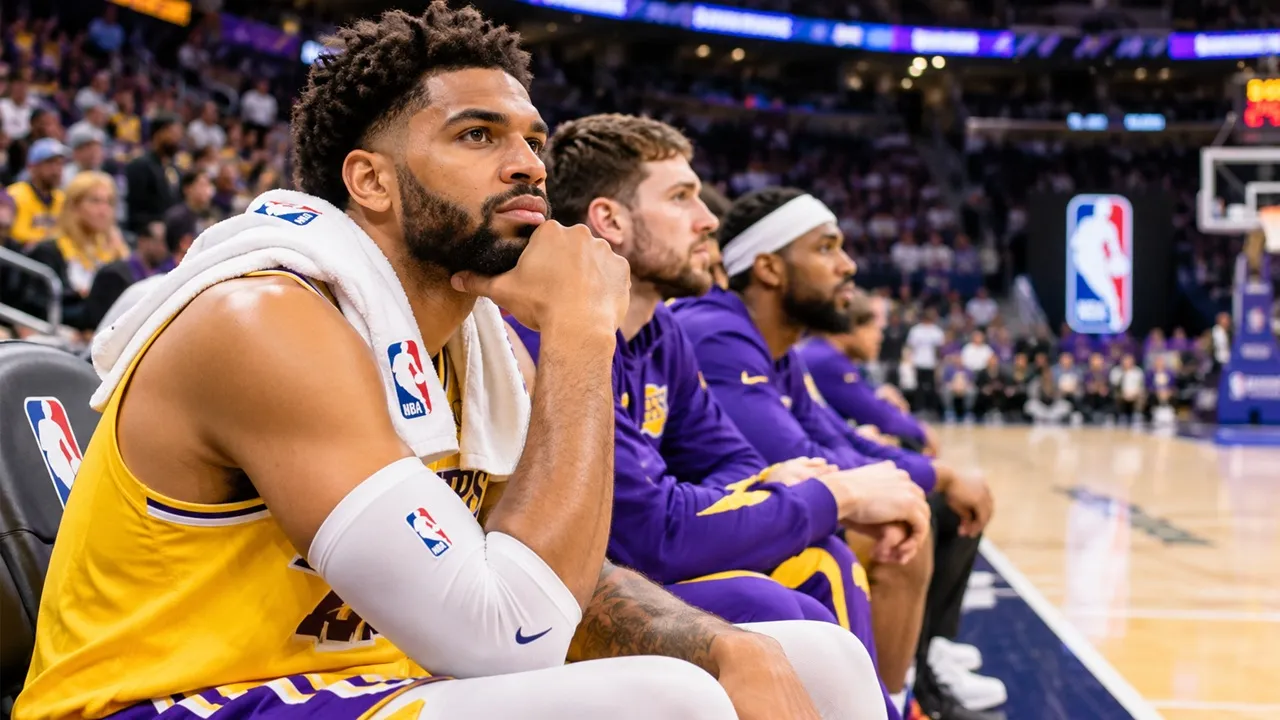
An NBA player doesn’t have to be a superstar to earn millions of dollars. Even players who spend most of their time on the bench can receive seven-figure salaries under the league’s minimum salary rules.
But how much does an NBA bench player actually make? Does a rookie earn the same amount as a veteran who has spent 10 years in the league? And what happens when a team signs an experienced player to a minimum contract?
For the 2026-27 NBA season, the minimum salary for a player with zero years of NBA service is approximately $1.36 million, while an experienced player with 10 or more years of service has a minimum salary of approximately $3.88 million on a new minimum-salary contract.
The difference is significant, and it highlights how the NBA rewards professional experience.
NBA Minimum Salary in 2026-27: Complete Breakdown
The NBA minimum salary is determined by a player’s Years of Service (YOS). The more qualifying NBA experience a player has, the higher his minimum salary becomes.
Here is the minimum salary breakdown for standard NBA contracts signed during the 2026-27 season.
| NBA Experience | Minimum Annual Salary |
|---|---|
| Rookie (0 years) | $1,357,763 |
| 1 year | $2,185,116 |
| 2 years | $2,449,421 |
| 3 years | $2,537,526 |
| 4 years | $2,625,627 |
| 5 years | $2,845,883 |
| 6 years | $3,066,143 |
| 7 years | $3,286,399 |
| 8 years | $3,506,659 |
| 9 years | $3,524,115 |
| 10+ years | $3,876,529 |
How Much Does an NBA Bench Player Make?
An NBA bench player can earn anywhere from around $1.36 million to nearly $3.88 million or more, depending on experience and contract terms.
For example:
- A rookie bench player with zero years of NBA service has a minimum salary of $1,357,763.
- A player with three years of experience has a minimum of $2,537,526.
- A veteran with five years of experience has a minimum of $2,845,883.
- A player with 10 or more years of NBA experience has a minimum of $3,876,529.
These are minimum contract figures, not maximum salaries. Players can earn considerably more if they negotiate larger contracts.
Also, being a bench player does not automatically mean earning the minimum. Some reserve players have multi-million-dollar contracts, while others are on minimum deals.
Why Do NBA Minimum Salaries Increase With Experience?
The NBA and the National Basketball Players Association (NBPA) negotiate player employment rules through a Collective Bargaining Agreement.
The current CBA took effect on July 1, 2023, and is scheduled to run through the 2029-30 NBA season, subject to the agreement’s opt-out provisions.
Under this agreement, a player’s minimum salary is linked to his years of NBA service.
This system helps experienced players maintain a higher minimum earning level even if they are no longer regular starters.
A veteran who has spent 10 seasons in the NBA can therefore earn a higher minimum salary than a player entering the league for the first time.
Do NBA Teams Pay Veteran Bench Players More?
Yes, the minimum salary system can make experienced bench players more expensive than younger players.
However, the NBA has a special rule designed to encourage teams to sign veteran players.
When an eligible veteran with at least three years of NBA service signs a one-year minimum-salary contract, the team’s salary-cap charge is generally calculated using the minimum salary for a player with two years of service.
The league reimburses the team for the eligible difference.
For example, using the 2026-27 minimum scale:
- A veteran with 10 or more years of service earns $3,876,529.
- The team’s salary-cap charge is generally $2,449,421.
- The eligible difference is $1,427,108.
This rule helps prevent teams from avoiding experienced players simply because their service-based minimum salaries are higher.
The rule has eligibility conditions and does not apply in the same way to multi-year minimum contracts.
What About NBA Rookies and Undrafted Players?
Rookies and undrafted players can enter the NBA through different contract arrangements.
First-round draft picks generally sign contracts based on the NBA rookie-scale system, so their salaries are not necessarily the same as the standard zero-years-of-service minimum.
Undrafted players, meanwhile, may receive standard minimum contracts, Exhibit 10 contracts, two-way contracts or other eligible agreements.
A two-way contract is different from a standard NBA minimum-salary contract. Its compensation structure is separately defined, and it should not be confused with the standard minimum salary table above.
Do NBA Players Get Paid the Full Minimum Salary?
Not necessarily.
The figures in the table represent full-season annual salary amounts for new contracts signed during the 2026-27 season.
If a player signs a 10-day contract or joins a team after the regular season has started, his compensation can be prorated based on the applicable contract rules and the portion of the season covered.
Also, the minimum salary scale for a new contract is different from the salary a player may receive in the second or third year of a contract signed in an earlier season.
That is why two players with the same NBA experience can earn different salaries.
How Much Is the NBA Salary Cap in 2026-27?
The NBA has set its 2026-27 salary cap at $164.961 million, according to the league’s official announcement.
The league also established a $200.428 million tax level for the season.
The salary cap is important because it influences how teams build their rosters, sign free agents and manage player contracts.
Minimum-salary contracts give teams another way to add depth without committing a large portion of their available cap resources.
NBA bench players can earn millions even without playing starter-level minutes. In the 2026-27 season, the standard minimum salary ranges from approximately $1.36 million for a player with no NBA service to approximately $3.88 million for a veteran with at least 10 years of experience.
The biggest takeaway is that NBA minimum salaries are based on experience, not playing time. A veteran who rarely enters a game can still earn more than a young player who receives regular minutes.
That is one of the interesting financial realities of professional basketball: even a spot at the end of an NBA bench can come with a multimillion-dollar paycheck.
Related News:
Inside an NBA Locker Room: How Much Does a Professional Team Setup Cost?