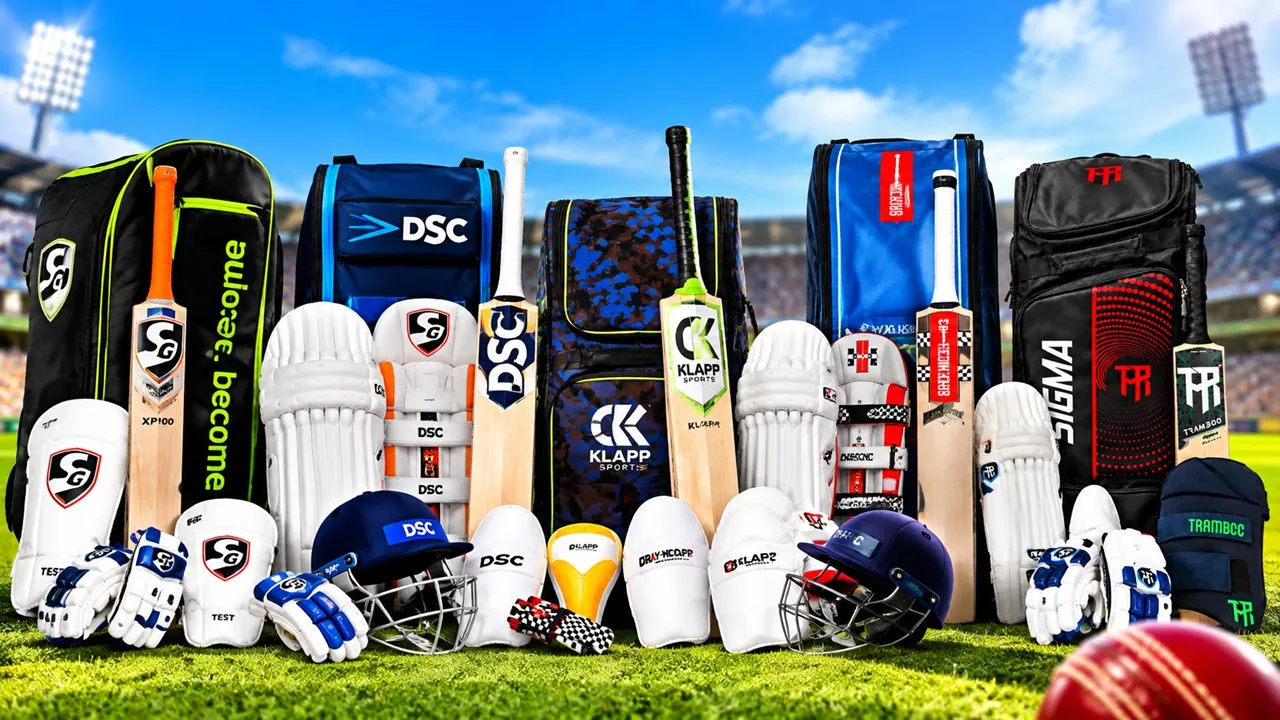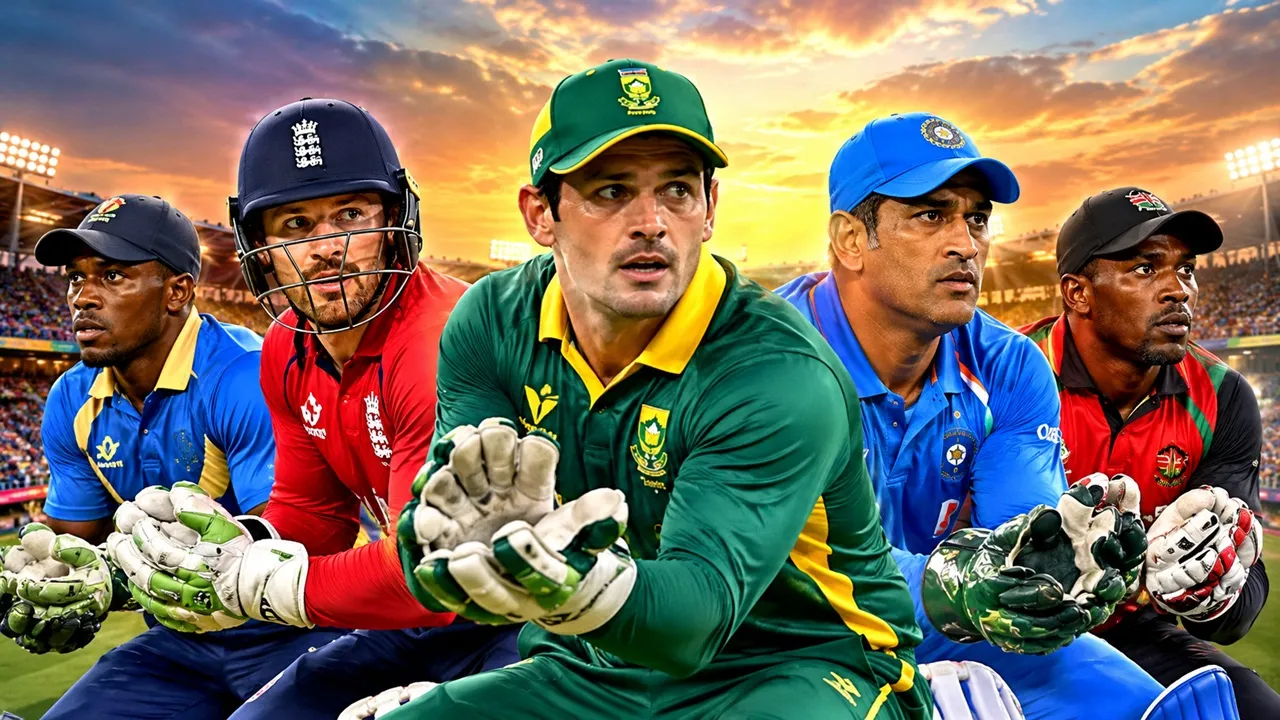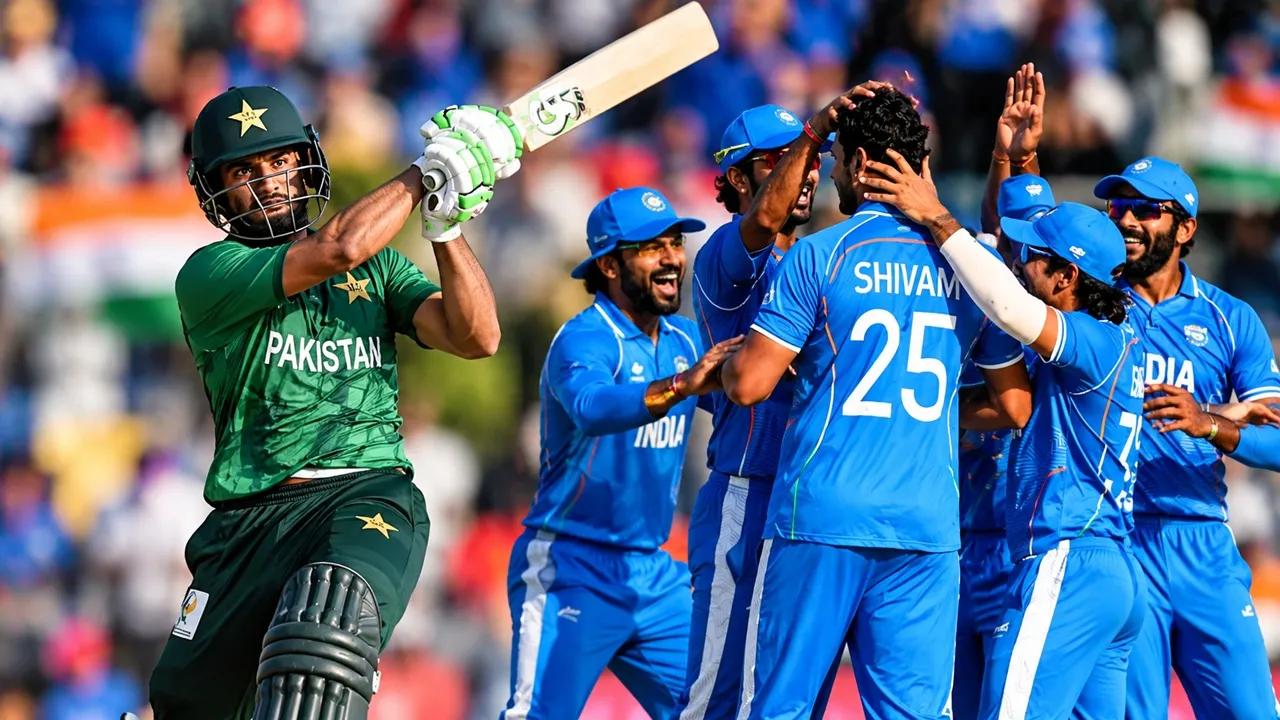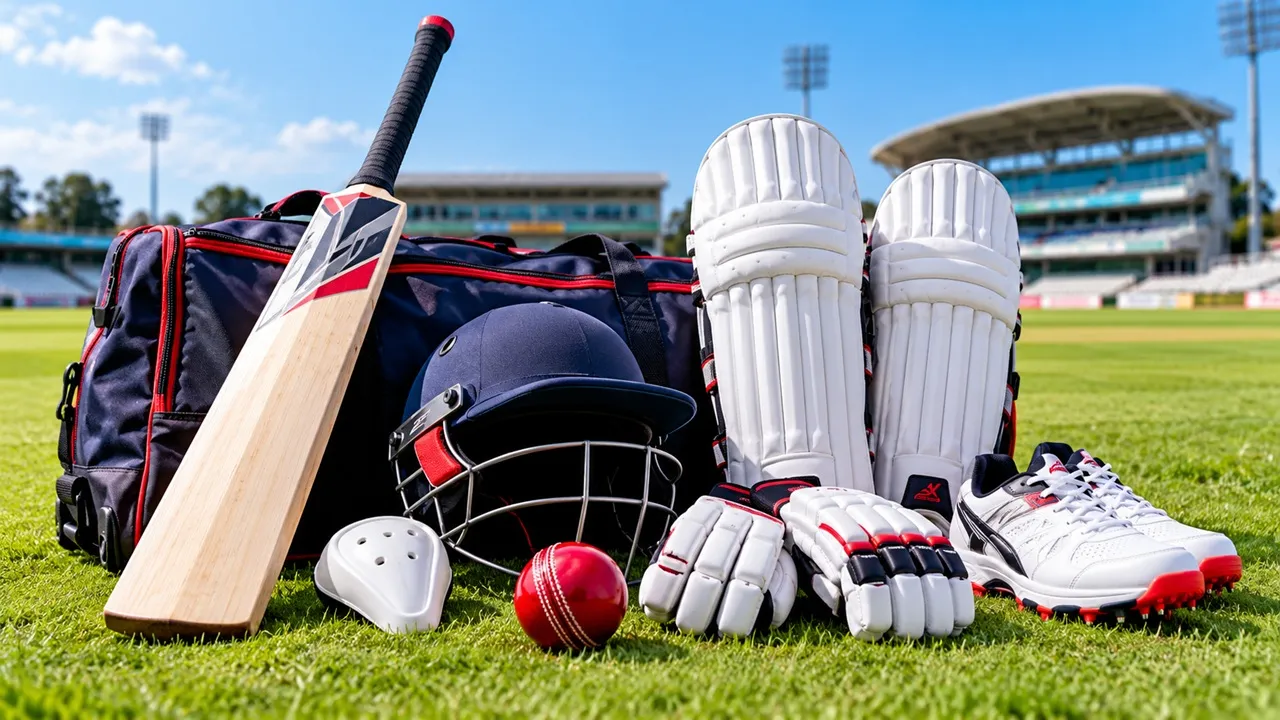
Cricket is a sport that can start with little more than a bat and a ball, but playing organised hard-ball cricket requires a more complete set of equipment. From a suitable cricket bat and batting gloves to a protective helmet, pads, shoes and a kit bag, the total cost depends on where you live and how seriously you plan to play.
For beginners, the smartest approach is to buy equipment that fits their playing format and budget rather than immediately investing in professional-grade gear.
In this guide, we explain the main cricket equipment costs, compare starter and club-level budgets, and share practical ways to save money when building your first cricket kit.
How Much Does It Cost to Start Playing Cricket?
The cost of starting cricket depends on whether you play casually, use a tennis ball or join a club that plays with a hard leather ball.
A casual player may need only a bat and a ball, while a beginner playing organised hard-ball cricket needs suitable protective equipment as well.
As a broad planning estimate, a basic hard-ball starter kit in India may cost around ₹5,000–₹12,000. In Canada, a beginner may budget approximately CAD $200–$450, while UK players might plan for around £120–£300. These are indicative budgets, not verified prices for every retailer or a guarantee that every item is included.
Prices can vary according to equipment quality, brand, size, taxes, delivery charges and local availability.
Cricket Equipment Cost Breakdown
Here are the main items to consider when planning your first cricket kit.
| Equipment | Why You Need It | Budget Priority |
|---|---|---|
| Cricket bat | Batting and practice | Essential |
| Batting gloves | Hand and finger protection | Essential |
| Batting pads | Protection for the lower legs | Essential for hard-ball batting |
| Cricket helmet | Head and face protection | Essential for hard-ball batting |
| Abdominal guard | Protection against impact | Essential for relevant players |
| Cricket shoes | Grip and stability | Depends on playing surface |
| Kit bag | Carrying and storing equipment | Useful |
| Cricket clothing | Comfortable movement during play | Basic sportswear may be sufficient initially |
Your exact requirements will depend on your age, role, competition rules and whether you play tennis-ball or hard-ball cricket.
1. Cricket Bat: Your Biggest Equipment Decision
The bat is often one of the most important purchases for a new player.
Kashmir willow bats are a common starting option for beginners because they are generally more affordable. English willow bats are available across a wide range of grades and prices, including premium options for experienced players.
Before buying a bat, consider:
- Playing format: A bat designed for tennis-ball cricket may differ from one intended for leather-ball cricket.
- Weight: Choose a bat you can control comfortably.
- Size: Junior players need an appropriate bat size.
- Balance and pickup: A bat should feel manageable during practice shots.
- Preparation: Follow the manufacturer’s guidance on knocking-in and bat care when required.
Beginners do not necessarily need an expensive English willow bat. A suitable, well-made entry-level bat is often enough to learn technique and develop confidence.
2. Helmet, Pads and Batting Gloves
Protective equipment deserves careful consideration when playing with a hard cricket ball.
A properly fitted cricket helmet protects the head and face, while batting pads and gloves help reduce the risk of impact injuries. An abdominal guard is another important part of appropriate batting protection.
Check the following before purchasing:
- The helmet meets the relevant safety standard required in your country or competition.
- The helmet fits securely and the grille is correctly positioned.
- Batting pads cover the intended areas without restricting movement.
- Gloves fit comfortably and provide suitable finger protection.
- Protective equipment is in good condition and shows no significant damage.
Avoid choosing protective equipment based on price alone. A low-cost item is not automatically unsafe, and an expensive item is not automatically safer. Fit, condition and compliance with relevant safety standards matter.
3. Cricket Shoes: Do You Need Specialist Footwear?
Your footwear requirements depend on where you play.
Players training on artificial pitches may need different footwear from those playing on natural grass. Cricket shoes are available with different sole and stud configurations, so check the pitch surface and your club’s requirements before buying.
If you are just starting out, ask your coach which type of footwear is appropriate. This can prevent you from spending money on shoes that are unsuitable for your playing conditions.
4. Cricket Kit Bag and Other Accessories
A cricket bag helps keep your bat, pads, gloves and other equipment organised. A simple duffel-style bag may be sufficient for a beginner, while regular club players may prefer a larger bag with separate compartments or wheels.
Other useful accessories include:
- Spare bat grips
- Cricket socks
- Water bottles
- Practice balls suitable for your training format
- Bat-care accessories recommended by the manufacturer
You do not need to purchase every accessory immediately. Start with the essentials and add equipment as your training requirements become clearer.
Beginner Cricket Kit Budget: Three Practical Levels
Instead of choosing a kit based on the most expensive brands, decide how much you can comfortably spend.
Budget 1: Casual or Tennis-Ball Cricket
Casual cricket usually has lower equipment requirements than organised hard-ball cricket.
Start with a suitable bat, an appropriate ball and comfortable sportswear. Add gloves or other protection according to your playing conditions and local rules.
The total cost will depend on the equipment you already own and the type of cricket you play.
Budget 2: Beginner Hard-Ball Cricket
A new hard-ball player should budget for a suitable bat, helmet, batting pads, gloves and other required protection.
An indicative Indian budget of ₹5,000–₹12,000 may be a useful starting point, but confirm current prices and the contents of each kit before buying.
If your budget is limited, ask your cricket academy whether it lends equipment to new players. You may be able to try the sport before purchasing a complete setup.
Budget 3: Regular Club Cricket
Players who train frequently may benefit from more durable equipment, a bat suited to their technique and appropriate cricket footwear.
The cost can increase substantially depending on bat grade, protective equipment, clothing and whether you need spare items.
Do not assume that premium equipment will automatically improve your performance. Comfort, correct sizing, practice and technique remain important.
How Much Does Cricket Equipment Cost in Different Countries?
Cricket equipment prices differ across markets. Import costs, retailer margins, taxes and exchange rates can all affect the final bill.
| Market | Illustrative Beginner Budget | What to Check |
|---|---|---|
| India | ₹5,000–₹12,000 | Complete kit contents and bat quality |
| United Kingdom | £120–£300 | Local retailer prices and league requirements |
| Canada | CAD $200–$450 | Shipping, taxes and local stock |
| United States | US$200–$450 | Availability, delivery costs and equipment sizing |
| Australia | Compare local retailer quotes | Club requirements and local prices |
These figures are broad planning estimates for a beginner hard-ball setup, not a live price survey. They are not directly comparable because local prices and included items may differ.
Before publishing a country-specific buying recommendation, check current local retailer listings and clearly state when the prices were reviewed.
Seven Ways to Save Money on Your First Cricket Kit
1. Ask your club about loan equipment. Some academies and clubs have shared gear for beginners.
2. Buy according to your playing format. Equipment intended for casual tennis-ball cricket may not be appropriate for hard-ball matches.
3. Choose the correct size. Junior players need appropriately sized equipment rather than adult gear that is too large or heavy.
4. Compare complete kits carefully. Check whether the advertised package includes a helmet, pads, gloves and other required items.
5. Compare the total checkout price. Delivery, taxes and other charges can make an apparently cheaper product more expensive.
6. Consider good-condition second-hand equipment selectively. Inspect bats and bags carefully. For helmets and other safety-critical equipment, prefer products with verifiable compliance, known history and no damage; when in doubt, buy new.
7. Upgrade gradually. Replace or upgrade equipment when your skill level, comfort or competition requirements justify the expense.
Is an Expensive Cricket Kit Worth It?
Not necessarily.
A premium bat may offer a particular balance, profile or finish, but it cannot replace technique and regular practice. Similarly, expensive shoes are not the right choice if their sole configuration does not match your pitch.
For a beginner, the best-value kit is one that fits properly, meets the necessary safety requirements and suits the format of cricket being played.
As your experience grows, you can decide whether a different bat, more durable gloves or specialist footwear is worth the additional cost.
Frequently Asked Questions
How much money do I need to start playing cricket?
The amount depends on the format. Casual tennis-ball cricket can require very little equipment, while a complete hard-ball starter kit may cost several thousand rupees or the local equivalent of a few hundred dollars.
What equipment does a beginner cricketer need?
A hard-ball batter generally needs a suitable bat, helmet, batting pads, gloves and an abdominal guard where appropriate. Shoes and a kit bag depend on the player’s circumstances and playing requirements.
Is Kashmir willow good for beginners?
Kashmir willow can be a practical entry-level choice for many beginners. The right bat still depends on the playing format, size, weight, balance and quality of the individual product.
Should I buy a complete cricket kit or individual items?
A complete kit can be convenient, but check its contents, sizes and quality carefully. Buying individual items gives you more control over each component.
Can I start playing cricket without buying everything?
Yes. Ask a local club or academy whether you can borrow equipment during introductory sessions. This is a practical way to learn the game before investing in a full kit.
How can I check whether a cricket kit is good value?
Compare the final price, included equipment, sizing, return policy, warranty where available and relevant safety requirements. Do not compare packages solely by the number of items they contain.
Starting cricket does not mean spending a large amount on professional equipment straight away. The sensible approach is to identify your playing format, establish a budget and purchase suitable equipment in stages.
For beginners, the priorities should be correct sizing, appropriate protection and a bat that feels comfortable. Compare local prices before buying, and ask a club whether it can provide loan equipment while you learn.
With careful planning, you can begin playing cricket without overspending—and upgrade your equipment when your needs change.
Related News: