T20 cricket is changing rapidly.
Scoring 200 runs in an innings is no longer automatically enough to make a team feel safe. The bigger development is the speed at which teams such as India and England are reaching huge totals — or chasing seemingly competitive targets with several overs still remaining.
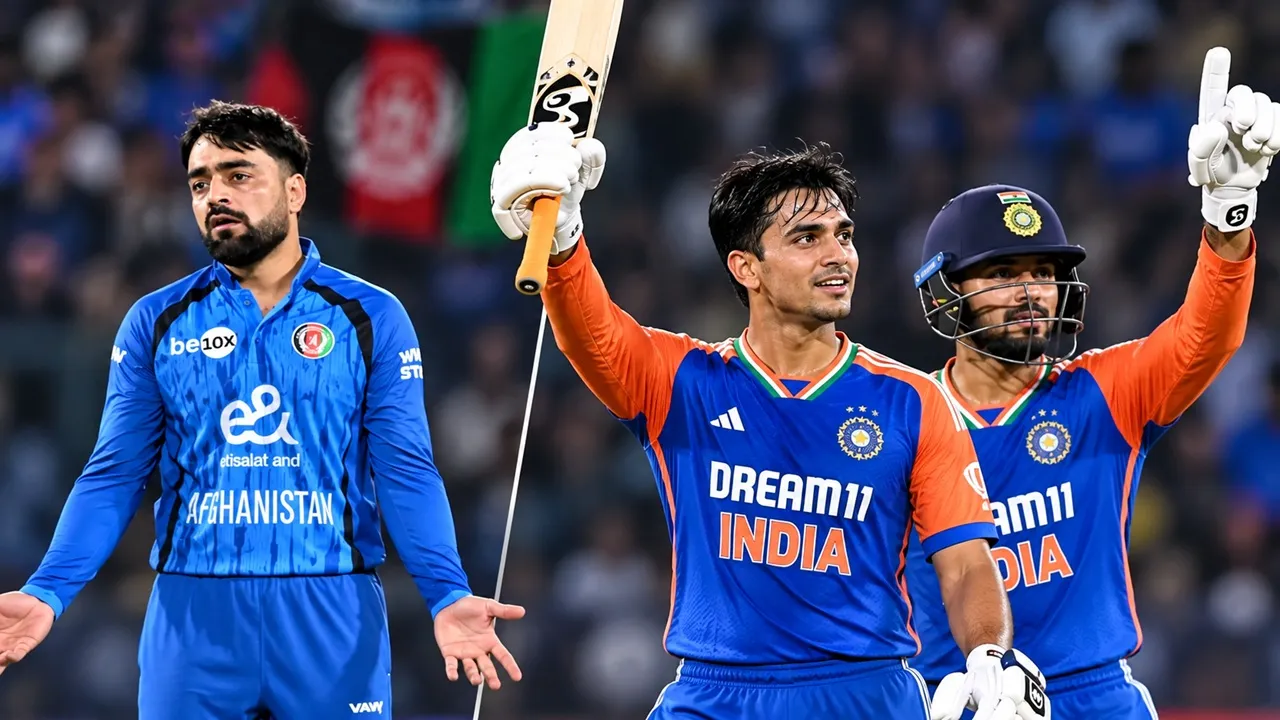
India’s latest T20I against Afghanistan in Delhi provided another example. Afghanistan made 159/8 in 20 overs, but India chased the target in only 14.5 overs, finishing on 163/3. According to the official ICC match report, India therefore secured a seven-wicket victory with 31 balls remaining.
The scorecard confirms the numbers: Afghanistan 159/8 and India 163/3 in 14.5 overs.
But India’s performance is only one part of a bigger T20 trend.
England are producing the same kind of scoreboard pressure.
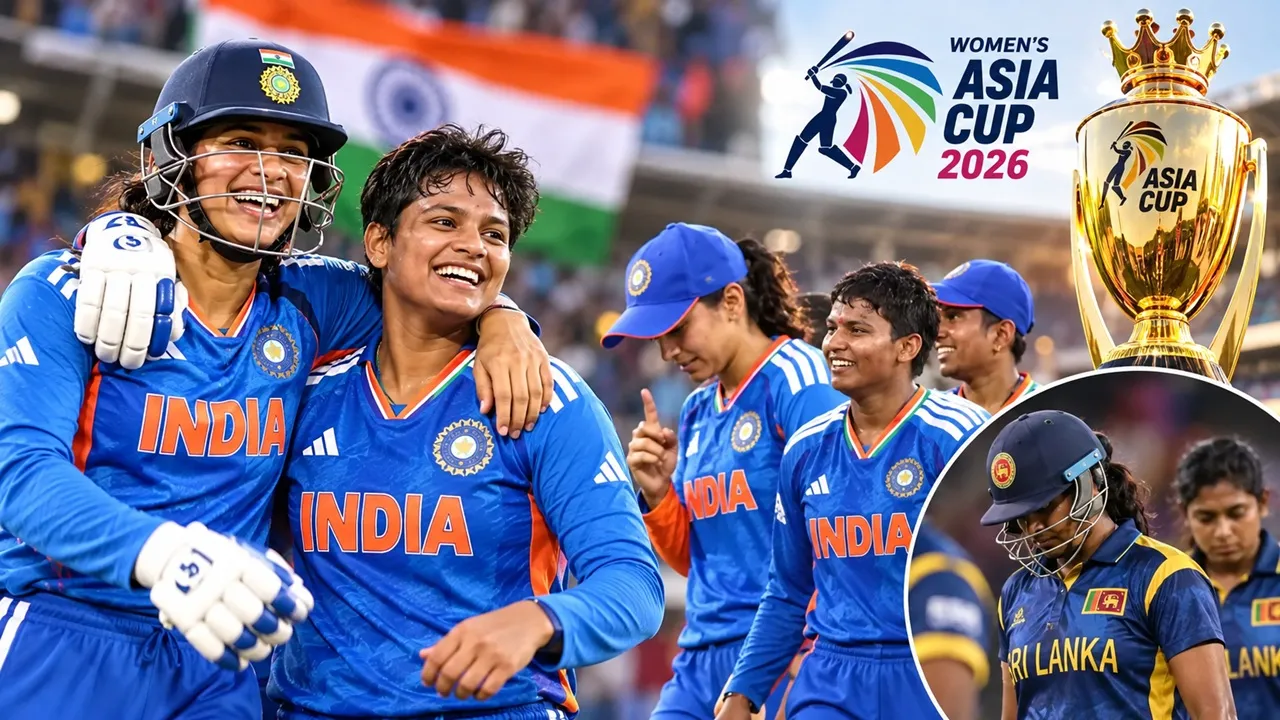
On September 15, England smashed 254/4 against Sri Lanka before bowling them out for 135. England won by 119 runs. Source: Reuters.
The real weapon is not just 200 — it is scoring speed
There is an important difference between scoring 200 runs and scoring 200 runs at an extraordinary rate.
A team that reaches 200 after 20 overs has scored at exactly 10 runs per over.
But a team that reaches 160 in 15 overs is already scoring at more than 10.5 runs per over — with five overs still available.
That changes the pressure on the opposition.
A chasing team may start with a required rate of 9 or 10 runs per over. But after losing a couple of wickets or allowing a few quiet overs, that requirement can quickly move into territory where the batters have to take increasingly risky options.
This creates a chain reaction:
Fast scoring → higher pressure → higher-risk shots → wickets → even greater pressure.
That is becoming one of the defining tactical battles of modern T20 cricket.
India’s Last 10 Completed T20Is
The following table covers India’s 10 most recent completed men’s T20Is as of September 16, 2026. The abandoned/no-result England match on July 1 is excluded.
| Date | Opponent | India Score | Opposition Score | Result |
|---|---|---|---|---|
| Sep 15 | Afghanistan | 163/3 (14.5) | 159/8 | India won by 7 wickets |
| Sep 13 | Afghanistan | 157/3 (13.4) | 156/8 | India won by 7 wickets |
| Jul 26 | Zimbabwe | 192/5 (20) | 157/7 | India won by 35 runs |
| Jul 25 | Zimbabwe | 219/5 (20) | 129 all out | India won by 90 runs |
| Jul 23 | Zimbabwe | 126/3 (13.2) | 125/7 | India won by 7 wickets |
| Jul 11 | England | 201/8 | 257/3 | India lost by 56 runs |
| Jul 9 | England | 158/7 | 159/1 (13.5) | India lost by 9 wickets |
| Jul 7 | England | 76 all out (11.4) | 201/7 | India lost by 125 runs |
| Jul 4 | England | 190/7 | 191/6 (19) | India lost by 4 wickets |
| Jun 28 | Ireland | 153/9 | 154/8 | India lost by 1 run |
The table tells an interesting story.
India have produced scores of 219, 192, 163 and 157 in their most recent T20I run, while the two Afghanistan chases were completed in only 13.4 and 14.5 overs.
The 219/5 against Zimbabwe was particularly significant. India scored at 10.95 runs per over and won by 90 runs.
England’s Last 10 Completed T20Is
England’s recent numbers are equally interesting.
| Date | Opponent | England Score | Opposition Score | Result |
|---|---|---|---|---|
| Sep 15 | Sri Lanka | 254/4 | 135 all out | England won by 119 runs |
| Jul 11 | India | 257/3 | 201/8 | England won by 56 runs |
| Jul 9 | India | 159/1 (13.5) | 158/7 | England won by 9 wickets |
| Jul 7 | India | 201/7 | 76 all out | England won by 125 runs |
| Jul 4 | India | 191/6 (19) | 190/7 | England won by 4 wickets |
| Mar 5 | India | 246/7 | 253/7 | England lost by 7 runs |
| Feb 27 | New Zealand | 161/6 (19.3) | 159/7 | England won by 4 wickets |
| Feb 24 | Pakistan | 166/8 (19.1) | 164/9 | England won by 2 wickets |
| Feb 22 | Sri Lanka | 146/9 | 95 all out | England won by 51 runs |
| Feb 16 | Italy | 202/7 | 178/7 | England won by 24 runs |
Source: Cricinfo
The most recent England innings is particularly eye-catching.
England reached 254/4 against Sri Lanka, with Harry Brook making 114 from 49 balls and Jos Buttler scoring 80 from 44. England’s powerplay alone produced 90/1.
Sri Lanka eventually finished on 135.
That meant England won by 119 runs.
England Have Shown How Quickly a T20 Can Disappear
The India-England series in July provides perhaps the clearest illustration of this phenomenon.
England scored:
- 191/6 in the second T20I
- 201/7 in the third T20I
- 159/1 in 13.5 overs in the fourth T20I
- 257/3 in the fifth T20I
The fourth match was particularly revealing.
India made 158/7. England chased the target in only 13.5 overs, with Harry Brook and Phil Salt leading the chase.
In the fifth T20I, England went even further.
They scored 257/3, while India managed 201/8. England therefore won by 56 runs.
These matches demonstrate why a high run rate can be more damaging than the final total alone.
When 200 Is No Longer a Safe Number
There was a time when reaching 200 in a T20 innings meant the batting team had probably produced a match-winning performance.
That assumption is becoming less reliable.
India scored 253/7 against England in the 2026 T20 World Cup semi-final, but England still reached 246/7.
India won that match by only seven runs.
The match produced 499 runs in 40 overs.
That is the modern T20 reality.
A total that once looked enormous can now become a competitive target rather than an unreachable one.
Why Fast Starts Put the Opposition Under Pressure
The psychological effect of rapid scoring is important.
Imagine a team scores 65 runs during the powerplay.
The opposition is still in the match.
But if the batting team reaches 85 or 90 in the first six overs, the entire bowling strategy can change.
The captain may have to bring back a key bowler earlier.
Spinners can become reluctant to bowl attacking lines.
Fielding restrictions become even more valuable.
And suddenly, the defending team is trying to prevent a 220-plus total rather than simply defending 180.
England’s 254/4 against Sri Lanka is a good example.
England were already 90/1 after the powerplay, Sri Lanka then lost three wickets during its own powerplay and reached only 32/3 after six overs.
The match was effectively moving in opposite directions from the beginning.
India’s Afghanistan Chases Show Another Side of the Same Trend
India’s recent Afghanistan matches show that this pressure does not only come from huge first-innings totals.
In the first T20I, Afghanistan made 156/8 and India chased the target in 13.4 overs, reaching 157/3.
In the second T20I, Afghanistan improved to 159/8, but India again completed the chase in 14.5 overs, reaching 163/3.
The official ICC report described India’s batting performance as part of a seven-wicket victory that gave India an unassailable 2-0 series lead.
In both matches, India effectively removed the final five to six overs from the chase.
That is an important advantage.
Australia Are Part of the Same T20 Evolution
India and England are not the only major teams playing high-tempo T20 cricket.
Australia have also developed a strong attacking approach, particularly during the powerplay and when chasing moderate targets.
The broader evolution is clear: top teams increasingly look to turn a competitive T20 position into a dominant one as quickly as possible.
The objective is not simply:
“How many runs can we score?”
It is increasingly:
“How many runs can we score before the opposition has time to respond?”
That distinction matters.
The 10-Over Score May Become More Important Than the Final Score
Traditional T20 analysis focuses heavily on the final total.
But modern T20 cricket increasingly demands another question:
What was the score after 10 overs?
A team at 80/2 after 10 overs has 60 balls left.
A team at 120/2 after 10 overs also has 60 balls left.
But the second team has a completely different tactical advantage.
The bowling side knows that another 100 runs could potentially arrive in the remaining 10 overs.
That forces defensive decisions.
And defensive decisions create opportunities for aggressive batters.
This is why scoring speed can become self-reinforcing.
The New T20 Pressure Equation
The recent numbers from India and England illustrate a broader change in the format.
The modern T20 battle is no longer only about reaching 180, 200 or 220.
It is about how quickly those runs arrive.
India’s 163/3 in 14.5 overs against Afghanistan and England’s 254/4 against Sri Lanka are two different types of innings, but they create a similar problem for the opposition.
The batting team establishes control before the opposing side has enough time to recover.
And once the required rate starts climbing, every dot ball becomes more valuable and every wicket becomes more damaging.
That produces the modern T20 pressure cycle:
Fast start → huge scoreboard pressure → higher required rate → riskier batting → wickets → even greater pressure.
The next evolution of T20 cricket may therefore not be defined simply by how many teams can score 200.
It may be defined by how quickly they can make 200 look inevitable — and how early they can make the opposition feel that the game is slipping away.