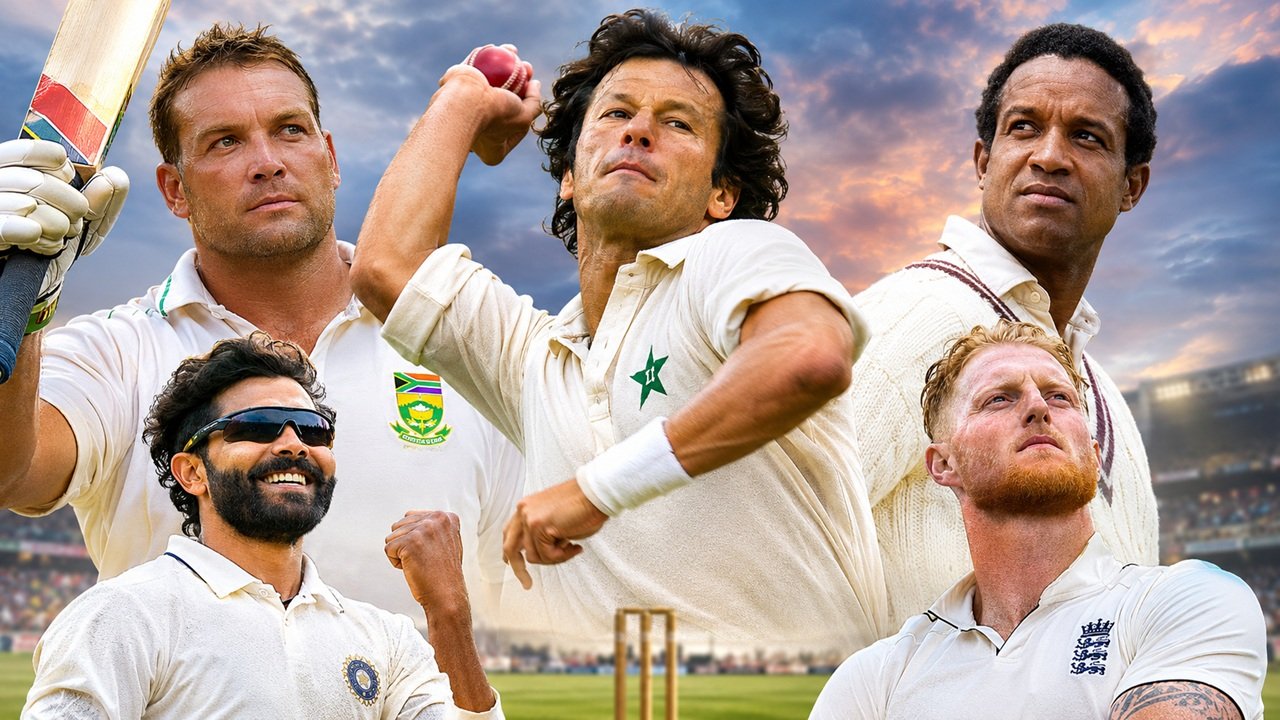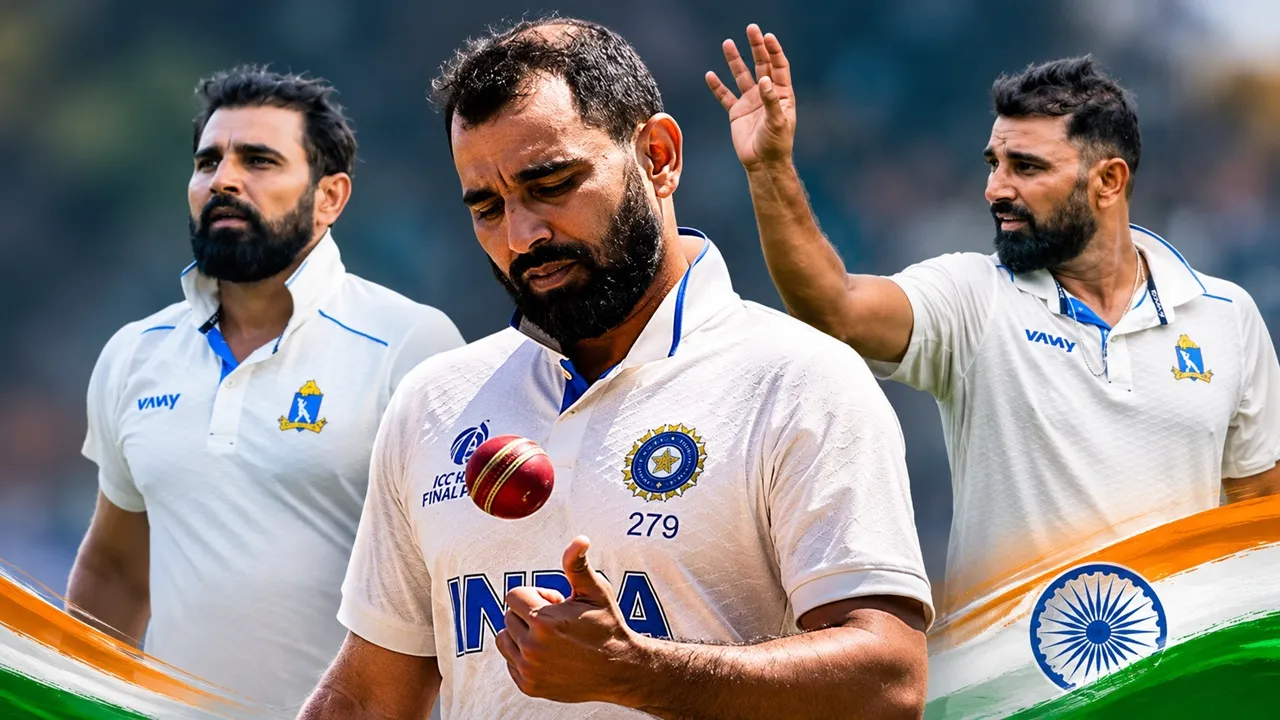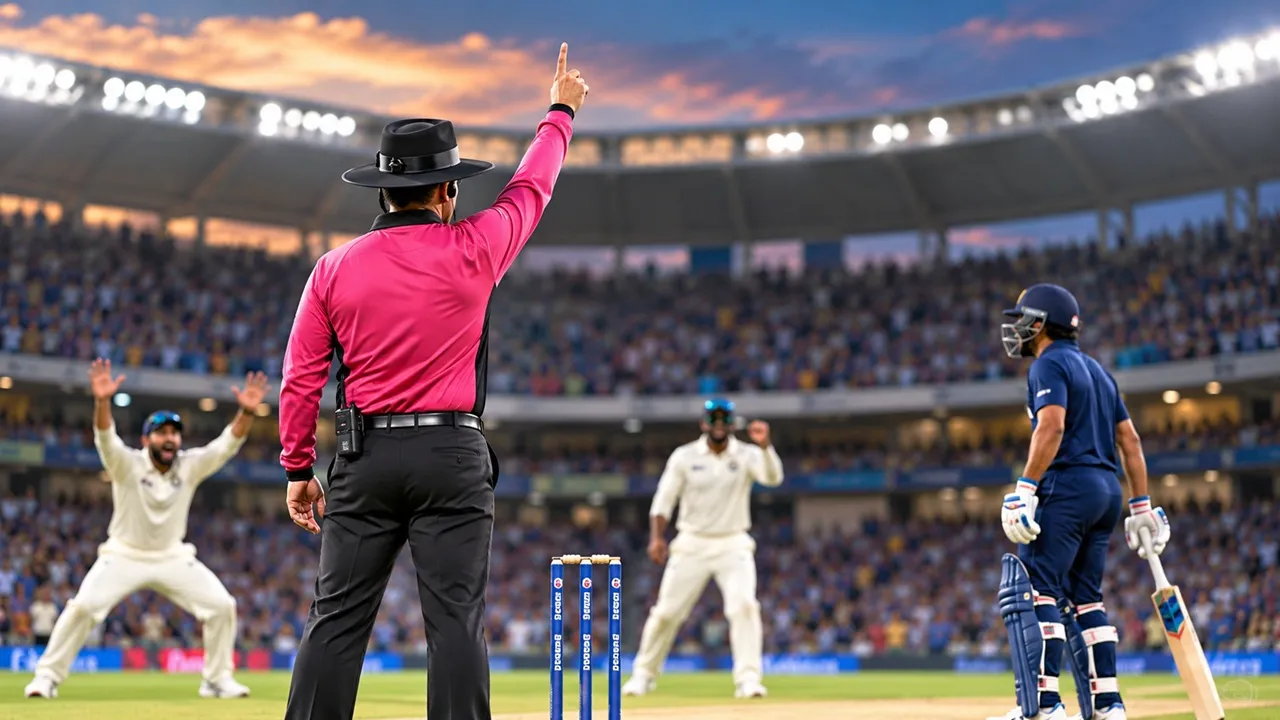
Imagine watching a Test match between India and Australia. Both teams are battling it out in the middle, the crowd is cheering, and a red cricket ball is moving between the batters and bowlers. But there is one thing that makes Test cricket look completely different from an ODI or T20 match — the players are dressed in white.
In modern cricket, players wear colourful jerseys in almost every major tournament. IPL teams have their own eye-catching kits, international T20 teams wear different colours, and even ODI cricket has moved away from traditional white clothing.
Yet, when it comes to Test cricket, the white shirt and trousers remain almost unchanged.
Have you ever wondered why?
Is it simply because of tradition, or is there a scientific reason behind this unusual dress code? The answer is actually a combination of cricket’s history, practical reasons and the identity of the longest format of the game.
Let’s find out.
1. The Real Story Behind White Cricket Uniforms
The story of cricket whites goes back much further than modern international cricket.
During the 18th century, cricket players did not follow a fixed uniform rule. They often wore their everyday clothes, including shirts, jackets, waistcoats and trousers. Players could appear in different styles and colours depending on their background and the occasion.
Interestingly, white clothing was already visible in cricket during those early years. Historical paintings and written records show that white shirts and trousers were commonly worn by players.
However, white was not introduced through one specific cricket law or a sudden decision.
As cricket became more organised and professional during the 19th century, white gradually developed into the standard playing outfit. By the second half of the 19th century, it had become widely established as cricket’s traditional colour.
When England and Australia played the first officially recognised Test match in 1877, white clothing was already part of the game’s appearance.
In other words, the famous cricket whites evolved naturally over time rather than being invented for Test cricket alone.
2. White Clothes Help Players Stay Cooler in the Sun
There is also a practical reason behind choosing white.
Test cricket is traditionally played during the daytime and can continue for up to five days. Players may spend several hours on the field under direct sunlight, particularly in countries such as India, Australia, Pakistan and South Africa.
White fabric reflects more sunlight than darker colours, which generally absorb more solar energy.
This can help reduce heat absorption and make white clothing a practical choice for players spending long hours in hot conditions.
Think about it: wearing a black shirt under strong sunlight can feel much hotter than wearing a white one.
That is one reason why white clothing makes sense in a sport where players can spend an entire day in the middle.
However, white uniforms alone cannot prevent heat exhaustion. Hydration, breaks, weather conditions and proper sports clothing also play important roles.
3. The Interesting Connection Between the Red Ball and White Clothes
Here comes another interesting part of the story.
Traditional Test cricket is played with a red cricket ball, while players wear white or cream-coloured uniforms.
The contrast between these colours helps the red ball stand out when it passes in front of a player’s white clothing.
This is particularly useful when the ball travels close to a batter, bowler or fielder.
It is important to understand that the red ball is also designed to remain visible against the green cricket field and other surroundings. White uniforms are just one part of the overall visual contrast.
The combination of a red ball and white clothing has become one of the most recognisable features of traditional Test cricket.
4. Why Don’t Test Cricket Players Wear Colourful Jerseys?
If colourful jerseys are accepted in ODI and T20 cricket, why does Test cricket still follow the white dress code?
The answer is a mix of tradition and the identity of the format.
Test cricket has always represented the traditional side of the game. Its five-day format, red ball, longer spells of bowling and white clothing create a visual identity that separates it from limited-overs cricket.
Colourful clothing became popular in professional limited-overs cricket after the introduction of World Series Cricket in the late 1970s.
The 1992 Cricket World Cup brought another major change, with coloured clothing, floodlights and a white ball becoming part of the modern ODI experience.
But Test cricket retained its traditional whites.
Over time, this difference became an important part of cricket culture.
5. Is Wearing White Clothes an Official Rule in Test Cricket?
Yes, Test cricket has specific clothing requirements.
The ICC’s clothing regulations specify plain white or cream playing shirts for Test matches, although limited coloured detailing is permitted under the regulations.
This means players cannot simply choose their favourite colourful jersey for a traditional Test match.
The rules help maintain a consistent appearance across international Test cricket.
Small design details, team badges, sponsors and player identification can vary within the permitted regulations, but the overall uniform remains white or cream.
6. Why Do ODI and T20 Players Wear Different Colours?
The arrival of limited-overs cricket changed the visual appearance of the sport.
ODI and T20 matches are designed to be completed in a much shorter period than Test cricket. Teams began adopting coloured uniforms to create their own identities and make matches more visually attractive.
The introduction of the white ball also played an important role in this change.
White cricket balls are easier to see against coloured clothing, especially during matches played under floodlights.
Today, T20 leagues such as the IPL have taken this concept even further. Every franchise has its own colours, designs and jersey identity.
But Test cricket continues to preserve its traditional appearance.
7. Will Test Cricket Ever Move Away From White Clothes?
It is difficult to imagine traditional Test cricket without white clothing.
The red ball, white uniforms, five-day matches and historic rivalries are all part of what makes the format special.
Cricket has changed significantly over the years. Technology, player fitness, DRS, broadcasting and playing conditions have all evolved.
Yet, the traditional white uniform has survived these changes.
Even as the game continues to introduce new formats and innovations, the white clothing remains a symbol of Test cricket’s history.
So, why do Test cricket players wear white clothes?
The answer is not just one thing. White clothing became popular through cricket’s history, offers practical benefits in sunlight, works visually with the traditional red ball and has become an important part of the identity of Test cricket.
The next time you watch India, Australia or England playing a five-day Test match, take a closer look at those white uniforms.
They are not just clothes. They represent more than a century of cricketing tradition.
And perhaps that is what makes Test cricket so special — even in a rapidly changing sporting world, some traditions are still worth keeping.
Related News: